
Ever felt inexplicably glued to a casino game, even when logic dictates otherwise? It’s not just chance at play; it’s casino psychology, a subtle but powerful force meticulously woven into the very fabric of game design. Casinos aren’t simply offering games of chance; they’re curating experiences designed to engage, entice, and ultimately, keep you playing.
We’ve spent years dissecting the intricate world of casino game design and the psychological principles that underpin it. Our aim is to pull back the curtain, revealing the hidden mechanics that influence your decisions and behaviors within the casino environment. This knowledge isn’t about “beating the house”; it’s about empowering you with awareness and control.
By understanding the cognitive biases and psychological techniques employed, you can approach casino games with a newfound sense of objectivity. Our goal is to equip you with the tools to make informed choices, fostering responsible gambling habits and ensuring your casino experience remains enjoyable and within your personal limits. Prepare to discover the fascinating intersection of psychology and game design, and learn how to navigate the casino landscape with confidence.
The Core Principles of Casino Psychology
At the heart of casino game design lies a deep understanding of human psychology. Casinos leverage fundamental principles like variable reinforcement, the near-miss effect, and losses disguised as wins (LDWs) to create environments and games that are intrinsically engaging, sometimes to a fault. These aren’t accidental features; they’re carefully engineered to tap into our basic neurological pathways related to reward-seeking behavior. Understanding these principles is the first step in understanding the allure of casino gambling.
Variable Reinforcement: The Unpredictable Reward
Variable reinforcement is a cornerstone of operant conditioning, famously studied by B.F. Skinner. In the context of gambling, it refers to the unpredictable nature of rewards. Unlike a vending machine where you always get a soda when you put in the money, casino games deliver payouts on a variable ratio reinforcement schedule. This means the number of plays required to win varies, keeping players engaged longer. Imagine this: One player might win big on their first spin, while another might play dozens of times before seeing a return. This unpredictability is powerful. The brain releases dopamine, a neurotransmitter associated with pleasure and reward, not just when we win, but also in anticipation of a potential win. This anticipation, fueled by the variable schedule, can be even more addictive than consistent rewards. Recognizing variable reinforcement in action is crucial. If you find yourself chasing that elusive win, remember that the game is designed to keep you playing through unpredictable rewards.
Near-Miss Effect: The Illusion of Almost Winning
The near-miss effect is a powerful cognitive bias that creates the illusion of control and encourages continued play. This happens when the outcome of a game is close to a winning combination, but ultimately falls short. You may even see them exclaim in frustration, or sigh dramatically. The flashing lights and noises of the machine amplify the experience. It feels like you were this close to hitting the jackpot. This “almost” sensation triggers the release of dopamine, similar to a real win. Think about a slot machine where two out of three jackpot symbols line up. Although it’s a loss, the near-miss activates the brain’s reward system, suggesting that success is just around the corner. The near-miss distorts perception, making players believe they have more influence over the outcome than they actually do, thus, feeding the desire to keep playing.
Losses Disguised as Wins (LDWs): Celebrating Losses
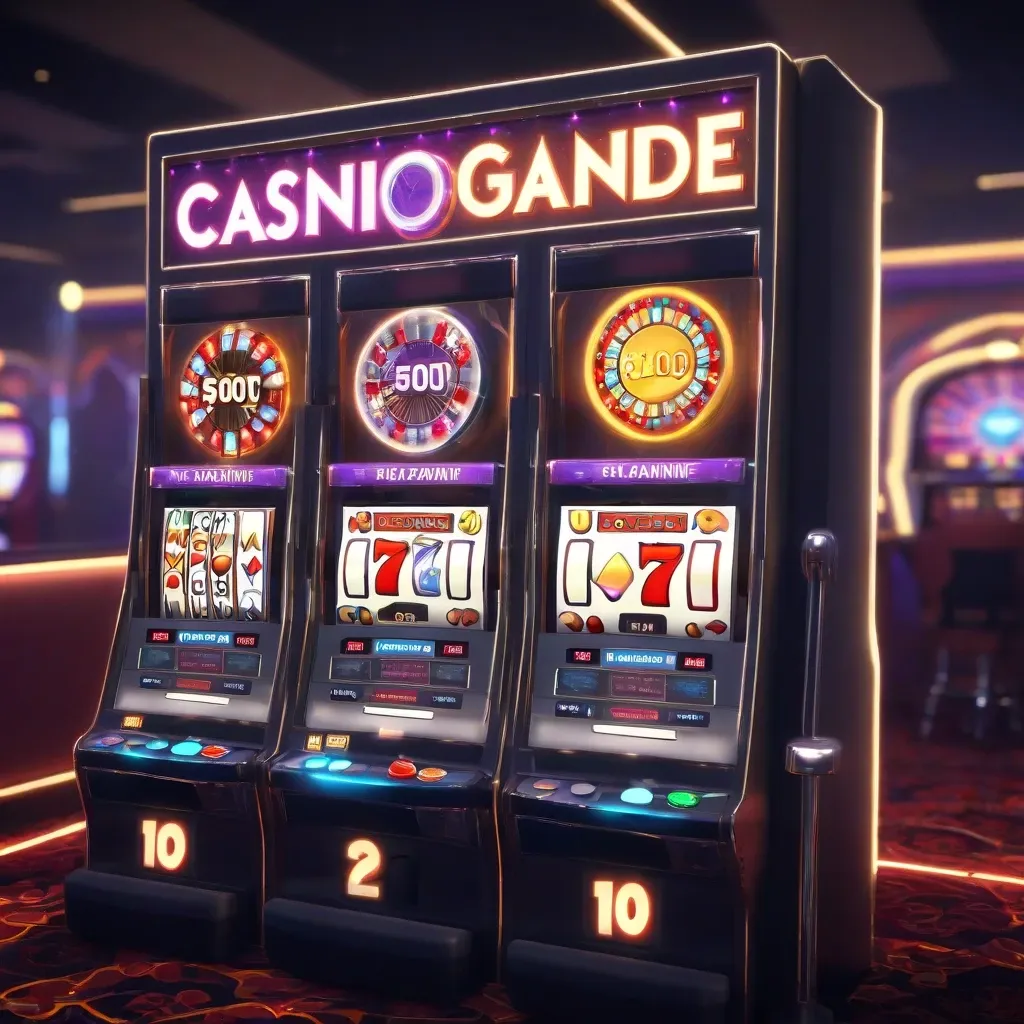
Losses disguised as wins, or LDWs, are a particularly insidious psychological trick used in many casino games, especially slot machines. Imagine betting a dollar on a spin and “winning” back seventy-five cents. The machine might flash lights and play celebratory sounds, making it seem like a victory. In reality, you’ve lost twenty-five cents, but the presentation obscures this fact. This is an LDW. On a cognitive level, these LDWs create cognitive dissonance. The flashing lights and celebratory sounds create a sense of positive reinforcement, even though there was a net loss. This can be incredibly confusing for the brain, leading players to overestimate their winnings and underestimate their losses. Therefore, it is extremely important to keep track of how much money you bring to the casino and comparing it with how much do you leave with, to have an accurate representation of your wins and losses.
Cognitive Biases at Play
The Illusion of Control: Thinking You Can Influence Chance
Imagine the palpable tension in a casino, the scent of desperation and cheap cologne hanging in the air. You see a gambler blowing on dice before a throw, or meticulously arranging cards believing it will sway the outcome. This is the illusion of control at work – the false belief that one can influence purely random events. It’s a cognitive bias where individuals overestimate their ability to control events, even when those events are determined by chance. This “control bias” leads people to engage in ritualistic behavior, fostering a sense of personal influence where none exists. This can be very dangerous to the gambler.
Gambler’s Fallacy: Believing in Future Outcomes Based on Past Events
The gambler’s fallacy, also known as the Monte Carlo fallacy, is the mistaken belief that if something happens more frequently than normal during a given period, it will happen less frequently in the future (or vice versa). In reality, most casino games and random number generators produce independent events, where each event is unrelated to previous events. For example, consider a roulette wheel landing on black five times in a row. Many gamblers would incorrectly assume that the next spin is more likely to land on red. Similarly, think about repeatedly flipping a coin and getting heads. The idea that tails is “due” is nonsense; the odds remain 50/50 for each flip. This fallacy leads to irrational bets. People throw good money after bad, convinced that the law of averages will eventually turn in their favor. This can lead to financial ruin and deep regrets.
Sunk Cost Fallacy: Sticking with Losing Investments
I once continued to work on a project I knew was doomed, because I had already invested so much time and effort into it. I was throwing good resources after bad, driven by the sunk cost fallacy – the tendency to continue investing in something simply because one has already invested heavily in it, regardless of the current prospect. This bias stems from loss aversion, the pain of admitting a loss outweighs the potential benefit of cutting ties. Emotion takes over and clouds judgment. Rationally, the initial investment is gone regardless. The question should be whether further investment is likely to yield a positive return. Recognizing this bias and employing a cognitive-behavioral technique is crucial. One should focus on the potential future gains and losses independent of past investments. Only then can someone make a more rational decision.
Sensory Manipulation and Environmental Design
Casinos are masterfully designed environments, carefully orchestrated to stimulate the senses and encourage extended play. This sensory marketing strategy leverages principles of environmental psychology to create an immersive, almost hypnotic, experience. Casino design isn’t accidental; every element, from the flashing lights to the carefully chosen soundscapes, is strategically implemented to influence behavior. Historically, casinos started with a more basic approach, but over time, they’ve refined their methods, incorporating sophisticated understanding of human psychology to maximize engagement.
Visual Cues: Flashing Lights and Vibrant Colors
Walking into a casino, one is immediately struck by a cacophony of flashing lights and extremely vibrant colors. This isn’t just for show; it’s a calculated effort to grab your attention. As I remember, casinos were pretty plain places so I wasn’t expecting. Color theory plays a significant role here. Red, often associated with excitement and energy, is a common sight. The flashing lights create a sense of urgency and excitement, triggering what’s known as attention bias, making it difficult to focus on anything else. It’s a sensory overload and a great one.
Auditory Cues: Soundscapes of Winning
Beyond the visuals, the auditory experience is equally impactful. The “soundscapes of winning,” as I call them, are carefully crafted to create a background of celebratory sounds. The jingle of coins dropping, the excited shouts of winners, and the upbeat music – even when no one is actively winning, this consistent flow of sound creates the illusion of constant victory and winning. I remember being in a casino and suddenly thinking that the sound and the background noise were a kind of happy event. This atmosphere is undeniably enticing.
Tactile Elements: Feel of winning
Casinos also subtly engage the sense of touch. Everything is designed to feel a certain way. Consider the plush carpets underfoot, the smooth surfaces of the slot machines, and, crucially, the weighty feel of chips in your hand. One interesting touch is the feel of a proper, heavy casino-grade poker chip. The weight feels substantial, important even. I used to think of as a real treasure that you can get and spend! This tactile feedback reinforces the embodied cognition, linking physical sensations with emotional responses, and subtly encouraging continued engagement.

Modern Twists: Online Casino Psychology
Online casinos are not just about spinning reels and shuffling cards; they’re sophisticated platforms leveraging data analytics, personalized marketing, and social features to keep players engaged and coming back for more. They have evolved into ecosystems designed to maximize player enjoyment and, of course, player retention mechanics. The strategies they use are subtle, yet incredibly effective.
One of the first things that strikes anyone venturing into the online casino world is the sheer volume of data being collected. Every click, every bet, every moment spent on a particular game gets logged and analyzed. This data fuels personalized marketing efforts, ensuring players receive offers tailored to their specific preferences. It is the subtle art of showing the users only appropriate deals, which are tailored to them via tracking their behaviour.
The feeling of receiving a bonus that seems perfectly timed, just when you were considering taking a break, is no accident. These personalized bonuses and loyalty programs create a sense of being valued, encouraging continued play. But, it’s not only about personalized offers, it’s an immersive environment that appeals to the senses as well. The sounds, the visuals, and the anticipation all combine to create a unique digital experience. This potent blend of technology and psychology helps online casinos stay ahead in a competitive environment, consistently refining their player retention strategies.
Personalized Offers and Loyalty Programs: Building Habits
Online casinos excel at building customer loyalty through personalized offers and gamification. Ever felt that rush when a casino offers a seemingly too-good-to-be-true bonus? That’s the endowment effect at play – you feel like you already “own” something, making you more likely to engage. For instance, a friend of mine, a casual online player, mentioned he kept returning to one platform because of their tiered loyalty program. The higher he climbed, the better the rewards, fostering a sense of investment and preventing him switching to another site. These aren’t just random acts of generosity; they are precisely calculated to keep players engaged and cultivate long-term habits.
Social Layer: Community and Engagement
Beyond the individual game experiences, online casinos are increasingly incorporating social interaction and community building elements. Live dealer games, for example, offer a chance to interact with a real person and other players, mimicking the atmosphere of a brick-and-mortar casino. The chat functions become buzzing hubs of shared excitement (or commiseration), and friendly competition further enhances the thrill. This social layer creates a sense of belonging, transforming the solitary act of gambling into a shared experience.
Digital Reward systems: Appreciating being valued
There’s a feeling of satisfaction from seeing those digital rewards accumulate. This is a key factor in many online casinos’ marketing tricks. They aim to create a perception of value and appreciation. These retention strategies work because they tap into a primal human desire to feel recognized and rewarded for loyalty. And this is not just limited to monetary bonuses. Regular players often receive exclusive access to content, early access to new games, or even personalized support and assistance. This recognition fosters a sense of belonging and a stronger attachment to the platform.
Ultimately, online casinos use these digital reward systems because they function. They turn passive players into active participants. They not only enhance customer acquisition, but retain customers. It is a win-win situation for the player and the casino.
Ethical Considerations and Responsible Gaming
The art of casino game design often walks a tightrope, balancing the thrill of the game with the potential for harm. Psychological tactics, while effective in engaging players, raise serious ethical questions. Are casinos responsible for protecting players from manipulative design? Transparency and player education are paramount. Players deserve to understand how games are designed to influence their decisions. Ethical casino design prioritizes player well-being, ensuring that the excitement of gambling doesn’t lead to exploitation.
Recognizing the Warning Signs of Problem Gambling
Self-awareness is the first line of defense against problem gambling. It starts with acknowledging that anyone can be vulnerable. Look out for these warning signs in yourself or those around you: Are you increasingly preoccupied with gambling, constantly thinking about past wins or planning future sessions? Do you find yourself chasing losses, betting more and more to recoup what you’ve lost? Are you neglecting responsibilities or relationships due to gambling? Is gambling causing you financial strain, leading to borrowing money or selling assets? If you answer yes to any of these, it’s time to take a step back and reassess your relationship with gambling. Recognizing these patterns is a crucial step toward regaining control.
Strategies for Responsible Gaming
Responsible gambling isn’t about eliminating the fun; it’s about controlling it. Implement these strategies to stay in charge: Setting limits – Before you start, decide on a strict budget and stick to it. Once you’ve reached your limit, stop playing, regardless of whether you’re winning or losing. Time management – Set a timer to manage your gaming sessions and when the time is up, take a break. Budgeting – Only gamble with disposable income. Never use money needed for essential expenses like rent, bills, or groceries. Remember, gambling should be entertainment, not a financial necessity.
Where to Get Help: Resources and Support
If you or someone you know is struggling with problem gambling, remember that help is available, and seeking it is a sign of strength. Many resources can provide guidance and support: Gamblers Anonymous offers peer support meetings and a 12-step program for recovery. Therapy – A therapist specializing in addiction can provide individual or group counseling to address the underlying issues contributing to problem gambling. Don’t hesitate to reach out. Recovery is possible, and a brighter future awaits.
Conclusion
In conclusion, recognizing the subtle yet powerful tactics employed within casinos equips individuals to navigate these environments with greater awareness. Understanding casino psychology is not about guaranteeing wins; it’s about empowering oneself to make informed decisions, manage expectations, and approach gambling as a form of entertainment rather than a financial strategy.
Armed with these insights, players can better discern the line between chance and manipulation, fostering a more responsible and enjoyable experience. It encourages the application of critical thinking and mindful behavior. Share these newfound insights and approach casino games with renewed awareness to promote responsible gambling.