
Online sports betting has exploded in popularity, becoming a favorite pastime for fans across the nation. It seems everyone’s got an opinion on the next big game and a few bucks riding on the outcome. However, the legal landscape surrounding online sports betting is a tangled web. Like many, someone new to the game might at first be puzzled to find that placing a bet online is perfectly legal in one state, yet strictly prohibited just across the border. As of 2024, navigating this complex patchwork of regulations can feel like trying to decipher a foreign language. This guide is designed to cut through the noise and provide clarity on where you can legally place your bets online – and where you can’t.
State-by-State Breakdown: A Patchwork of Laws
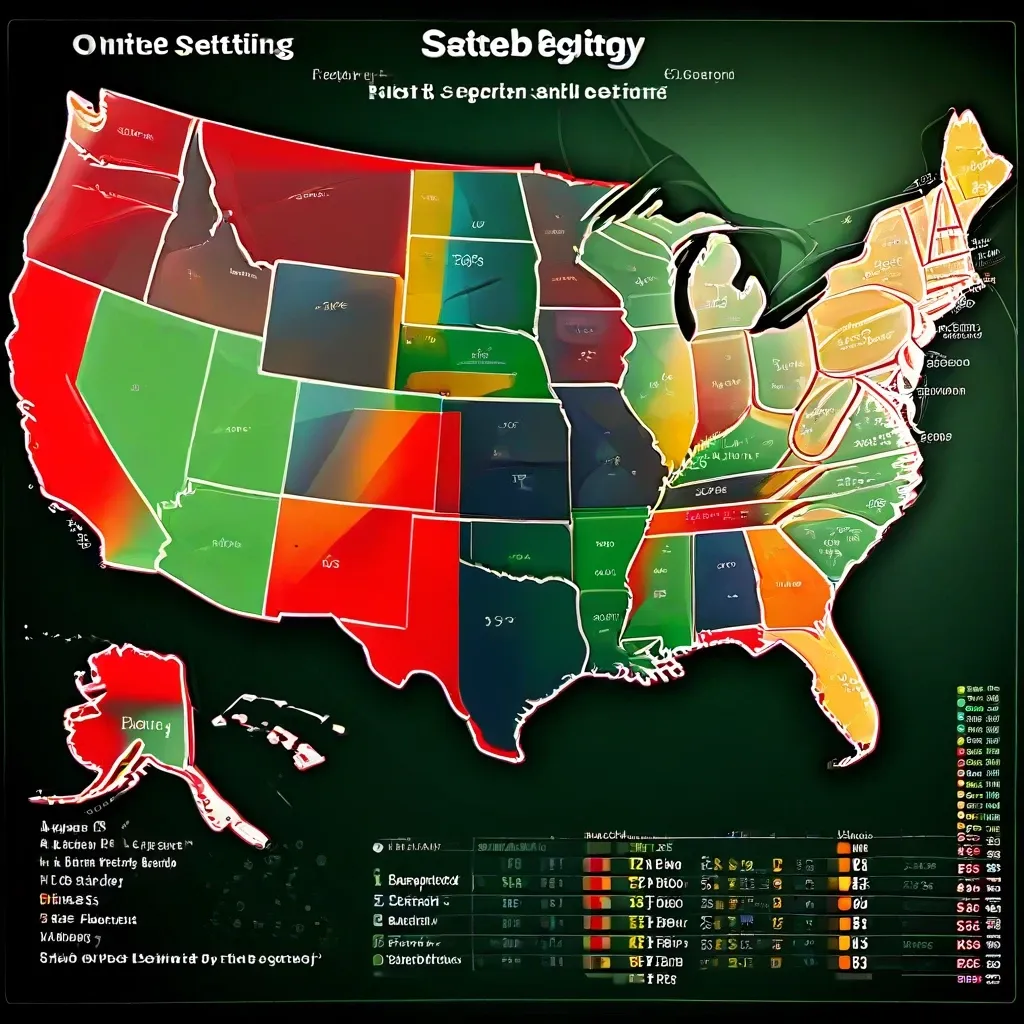
The sports betting scene in the U.S. resembles a vibrant, chaotic quilt, each state stitching together its own unique rules and regulations. The Professional and Amateur Sports Protection Act (PASPA) repeal in 2018 blew the lid off a nationwide ban, handing the power to decide the legality of sports wagering directly to individual states. This decentralized approach has led to a fascinating, and sometimes frustrating, landscape where what’s perfectly legal in one state could land you in hot water just across the border. From coast to coast, you’ll generally find three main scenarios playing out: states with fully legal online betting, those clinging to retail-only models, and those where the online sportsbook is still a forbidden paradise.
Navigating this maze can be tricky. Imagine the headache of planning a cross-country road trip for the sole purpose of placing a bet in a legal state! The influence of tribal gaming compacts throws another wrench into the works, with many states working closely with tribal entities to shape their sports betting laws, adding yet another layer of complexity. It’s a wild west out there, sports betting style.
Fully Legal Online Betting States
Several states have enthusiastically embraced the digital age of sports betting, offering fully legal online platforms. Places like New Jersey, Pennsylvania, Michigan, and Colorado, for example, are teeming with options, from established giants like FanDuel and DraftKings to a host of other competitors eager to grab a piece of the action. In these states, you can wager on just about anything that moves, from traditional parlays to exhilarating live, in-game bets. All this is made possible with geofencing technology that pinpoints your location, ensuring compliance with state borders. Remember: stick to licensed and regulated sportsbooks. And don’t forget that both players and operators have to ante up to Uncle Sam when tax season rolls around.
Retail-Only Sports Betting
Then there are the states that are dipping their toes, but not quite diving, into the sports betting pool. These retail-only states, like Mississippi and Arkansas, allow you to place bets, but only in person at casinos or racetracks. This more restrictive approach often stems from political headwinds or pre-existing tribal agreements that need to be carefully navigated. While it’s a start, it’s undeniable that a solely retail model lacks the convenience and broad reach of its online counterpart.
States Where Online Sports Betting is Illegal
Finally, we arrive at the states where the online sports betting curtain remains firmly drawn. States such as Utah, South Carolina, and Georgia still prohibit online sports wagering. The reasons are varied, ranging from deeply entrenched political opposition and moral objections to protecting their existing tribal gaming monopolies.
The Federal Framework: Setting the Stage
Federal laws establish the foundational structure for the legality of online gambling in the U.S., while the final decision rests with state legislation. Despite not explicitly legalizing or prohibiting online gambling nationwide, federal laws significantly influence the online gambling landscape.
The Wire Act
Originally enacted to combat organized crime, the Wire Act of 1961 prohibited using wire communications for interstate sports betting. Over time, the Department of Justice (DOJ) has shifted its interpretation of the Wire Act. Initially, it was interpreted broadly to cover all forms of online gambling. Current interpretation, shaped by court rulings, applies the Act specifically to sports betting, influencing how online betting platforms operate across state lines.
The Unlawful Internet Gambling Enforcement Act (UIGEA)
The Unlawful Internet Gambling Enforcement Act (UIGEA) of 2006 targets the financial side of online gambling. It restricts banks and financial institutions from processing transactions related to illegal online gambling. UIGEA focuses on regulating the financial infrastructure that supports online gambling businesses, not on punishing individual bettors. This act has a big impact on how people deposit and withdraw funds from online gambling accounts, leading to the adoption of alternative payment methods.
Understanding Online Sportsbooks and DFS Platforms
Navigating the world of online sports wagering involves understanding the distinct legal landscapes governing online sportsbooks and Daily Fantasy Sports (DFS) platforms. Traditional online sportsbooks function by accepting wagers directly on the outcomes of sporting events. This model necessitates stringent state-by-state licensing and employs rigorous location verification technologies to ensure compliance with jurisdictional regulations.
In contrast, DFS platforms, such as DraftKings, FanDuel, and PrizePicks, present an alternative. These platforms host contests centered around individual player performances, rather than direct game outcomes. Because DFS contests are often legally classified as skill-based games, they generally enjoy broader legal acceptance and are available in a greater number of states compared to traditional online sportsbooks. Evaluating the nuances between these two forms of online sports engagement allows for a comprehensive understanding of the options available.
The Risks of Illegal Online Sports Betting
Dipping your toes into the world of online sports betting can be exhilarating, but choosing the wrong platform can quickly turn excitement into a nightmare. Sticking to legal, regulated sportsbooks is paramount, as venturing into the realm of illegal, unregulated platforms carries hefty legal and financial risks. These risks often outweigh any perceived benefits like slightly better odds or exotic bets.
Consider the legal ramifications. Engaging with illegal sports betting sites can lead to fines and, in some cases, even prosecution. Law enforcement actively targets these operations and those who patronize them. Beyond the legal risks, unregulated sportsbooks operate outside the bounds of consumer protection. If a dispute arises – say, your winnings are frozen or your account is arbitrarily closed – you have virtually no recourse. There’s no regulatory body to appeal to, leaving you vulnerable to fraud and theft.
One bettor learned this lesson the hard way. Enticed by a seemingly generous welcome bonus, he deposited a significant sum into an offshore betting site. After a string of successful bets, he attempted to withdraw his winnings, only to find his account locked and customer service unresponsive. The site vanished, taking his initial deposit and winnings with it. This cautionary tale illustrates the very real danger of entrusting your money to shadowy, unregulated operations. Betting should be a form of entertainment, not an invitation to financial and legal jeopardy.
VPNs and Offshore Betting: Proceed with Caution
While VPNs might seem like a simple way to access sports betting platforms from restricted locations, or to use offshore sportsbooks, it’s crucial to understand the potential pitfalls. A VPN can mask your IP address, creating the illusion that you’re accessing the internet from a different location. However, this doesn’t change the actual gambling laws in your region.
Using a VPN to circumvent these rules often violates the terms of service of legitimate sportsbooks. Betting service providers are getting wise to VPN usage, and getting caught can lead to account closures and voided winnings. Offshore sportsbooks, while potentially offering tempting odds, carry significant risks. These sites often lack proper licensing and consumer protection, increasing the risk of fraud or difficulty in withdrawing funds. Remember, sticking to licensed and regulated platforms within your state provides a safer and more secure betting experience. Always prioritize compliance with local laws and platform regulations.

Future Trends: What to Expect in Online Sports Betting
The future of sports betting shimmers with possibilities as the digital realm continues its relentless march forward. Expect the map of legalized online sports betting to expand, state by state, as governments recognize the revenue potential and consumer demand. The technological frontier promises exciting developments, perhaps the integration of blockchain for secure and transparent transactions, or the rise of AI-powered tools that offer personalized betting insights.
A heightened emphasis on responsible gambling is also on the horizon. Operators will likely invest more in tools and resources for consumer protection. Looking further ahead, the possibility of federal legislation or interstate compacts could reshape the entire landscape, creating a more unified and standardized system. In the next 5-10 years, the convergence of technology, regulation, and responsible gambling initiatives will make online sports betting an even more dynamic and engaging form of entertainment.
Expert Advice: Staying Safe and Informed
Staying informed and proactive is paramount to protecting yourself in the world of sports betting. It’s not just about picking winners; it’s about ensuring your safety and well-being while participating in this exciting activity.
To guarantee you’re betting on legal and regulated platforms, always check for state licenses displayed on sportsbook websites. Reputable sportsbooks proudly showcase this information. Take the time to verify the sportsbook’s reputation by consulting trusted review sites and user feedback. This provides valuable insights into their reliability and customer service. Be aware of geofencing restrictions, which dictate where you can legally place bets. These restrictions are in place to comply with state regulations.
Numerous resources are available to promote responsible gambling. State gaming commission websites offer valuable information about legal sports betting in your area. Responsible gambling organizations provide support and resources for individuals who may be struggling with problem gambling.
Self-awareness is crucial. Understanding your betting habits and limits is key to responsible gambling. If you feel that sports betting is negatively impacting your life, seek help immediately. Remember, sports betting should be a fun and entertaining activity, not a source of stress or financial hardship.
Conclusion
In summary, the world of legal online sports betting is complex and ever-changing. Staying informed about the specific laws in your state or region is crucial. Always prioritize responsible gambling, setting limits, and understanding the risks involved. By combining knowledge of the legal landscape with responsible practices, one can navigate the world of online sports betting safely and enjoyably. It is recommended to check official government resources to stay up to date with the latest regulatory updates.